

Top African Safari Parks for an Unforgettable Wildlife
Travel
Embarking on a journey through Africa’s national parks in 2027 – 2028 offers an unparalleled adventure into the continent’s rich biodiversity and breathtaking landscapes. From witnessing the Great Migration in Tanzania to exploring Namibia’s vast deserts, each park provides unique experiences for travelers. With over 300 safari parks offering shelter to 25% of the world’s mammals and 2,000 bird species, Africa is a dream destination for wildlife enthusiasts, whether you are a first-time safari goer or a pro.
Our experts from Africa Travel Designers have curated a list of the top 10 safari parks in Africa to consider for your 2027 – 2028 travels. In fact, some of our recommendations rank among the best national parks in the world.
Table of Content :
- Top African Safari Parks for an Unforgettable Wildlife Travel
- List of Top 10 National Parks in Africa for Safari (2027-2028)
- Kruger National Park, South Africa: A Big Five Haven
- Serengeti National Park, Tanzania: Witness the Great Migration
- Maasai Mara National Reserve, Kenya: The Heart of the Migration
- Okavango Delta: Africa’s Safari Written in Water
- Ngorongoro Conservation Area: Wildlife in a Natural Amphitheatre
- Chobe National Park, Botswana: The Elephant Capital of the World
- Bwindi Impenetrable National Park, Uganda: The Gorilla Trekking Paradise
- Volcanoes National Park, Rwanda: The Land of a Thousand Hills
- Etosha National Park, Namibia: A Salt Pan Wonderland
- Hwange National Park, Zimbabwe: A Predator’s Playground
- Final Reflection: Step into Africa’s Wild Heart in 2027-28 with Us
List of Top 10 National Parks in Africa for Safari (2027-2028)
1. Kruger National Park, South Africa : A Big Five Haven
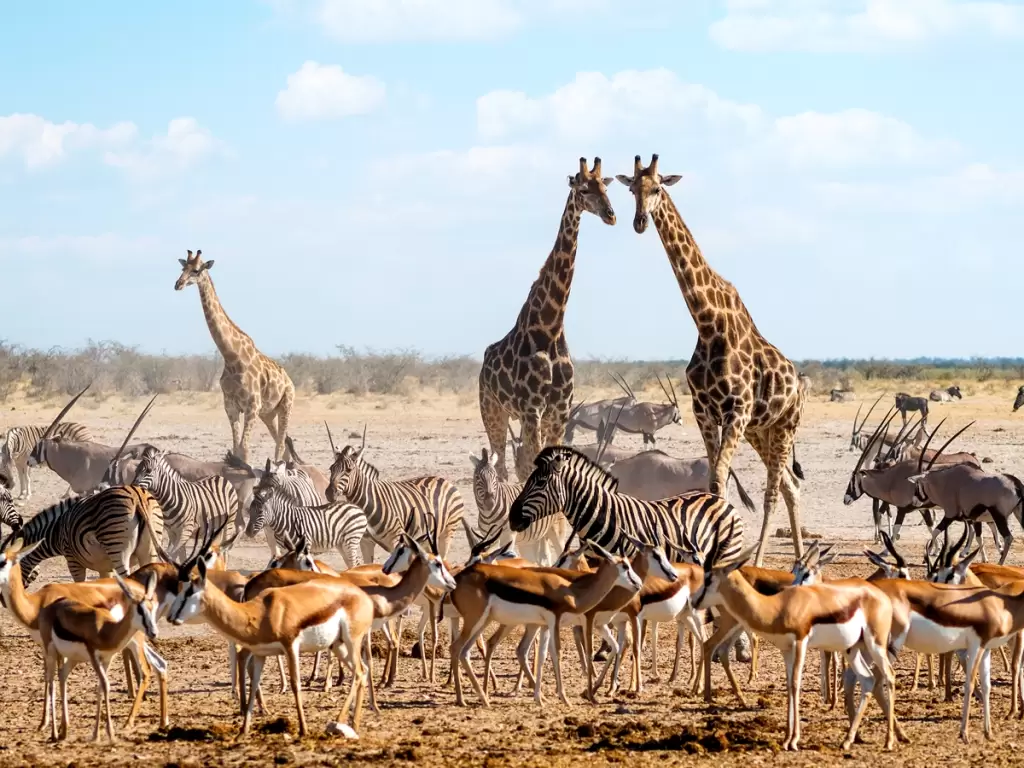
Home to the Big Five- lion, leopard, elephant, rhino, and buffalo- Kruger tops our list for providing the best safari in Africa, with breathtaking wildlife experiences. Lions patrol open savannah, elephants gather along riverbanks, wild dogs race across the bushveld, and leopards slip almost invisibly through woodland. Around 148 mammal species occur here, including the spotted hyena and some of Africa’s rarer antelope. The park’s well-maintained infrastructure ensures a comfortable and thrilling wildlife experience.
As one of the best national parks in South Africa for safari, Kruger National Park witnesses exceptionally high leopard and predator densities along the Sabie River. With more than 500 bird species and landscapes ranging from mopane woodland to riverine forest, every game drive can tell a completely different wildlife story. Check our ultimate guide to Kruger National Park for diving deep.
Quick Facts: Established in 1898, Kruger is one of the oldest national parks in Africa. It plays a pivotal role in the conservation of the continent’s wildlife heritage. The park contains over 300 archaeological sites, including evidence of Stone Age and Iron Age human settlements, offering insights into early human history.
When to Go: The best time to visit Kruger National Park, South Africa is from May to September, during the dry winter months. Thinner vegetation and shrinking water sources make wildlife easier to spot, especially around rivers and waterholes. November to April brings greener landscapes, newborn animals and excellent birding.
Pro Tips: Opt for a private game reserve within Kruger for a more exclusive Big Five safari experience. For the best sightings, go for private safaris led by experienced rangers on the tracker seat who can scout using their extensive knowledge of animal behavior, tracks, and sounds to locate wildlife. Consider guided night drives to spot nocturnal animals like leopards and hyenas.
Did You Know?
Covering nearly 7,722 square miles, South Africa’s Kruger National Park is one of Africa’s largest game reserves offering diverse ecosystems, from savannahs to forests.
2. Serengeti National Park, Tanzania : Witness the Great Migration
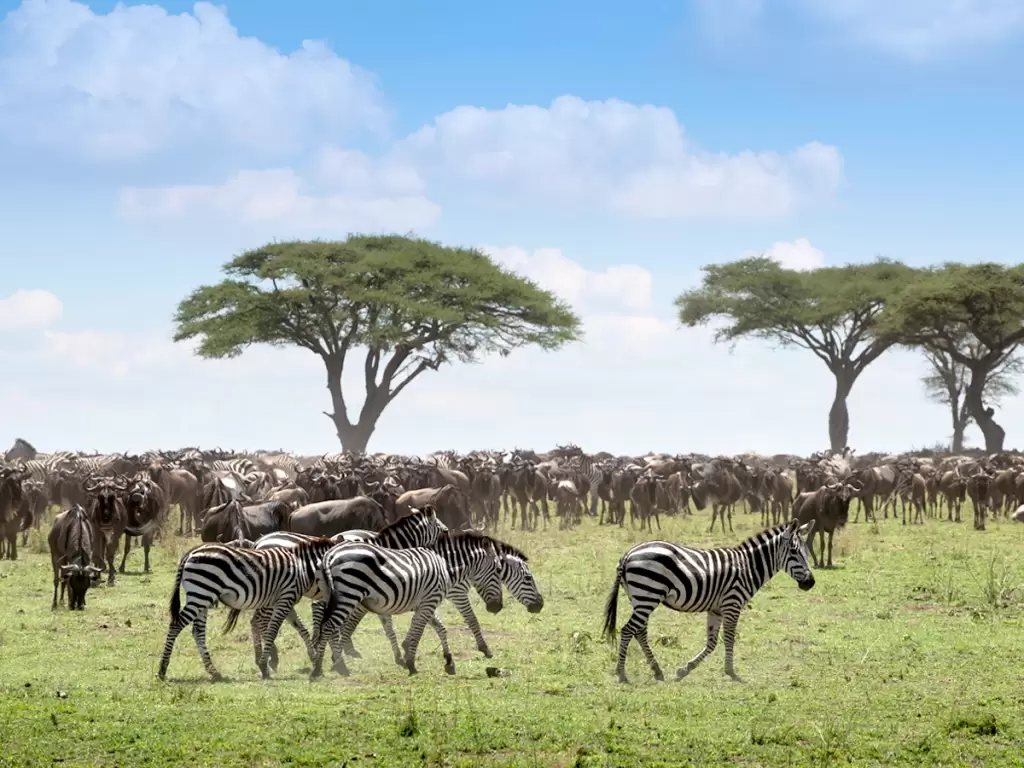
For a once-in-a-lifetime adventure, the vast Serengeti National Park in Tanzania offers an unparalleled African safari experience: witnessing the Great Migration. Picture millions of wildebeest, zebras, and gazelles thundering across the vast plains, braving predator-filled rivers in their instinctual quest for survival. This natural spectacle, often called the “Greatest Show on Earth,” is not just a sight but a sensory journey. Every sound, dust cloud, and movement tells a story of survival and endurance.
Beyond the migration, the park boasts many predators, including lions, cheetahs, and leopards, offering visitors a chance to witness predator-prey interactions in real time. Our complete guide to Serengeti safari answers all your questions to help you plan for this wildlife park in Tanzania.
Quick Facts: Tanzania’s Serengeti National Park, covering about 5,700 square miles, was named Africa’s Leading National Park for the eighth consecutive year at the 2026 World Travel Awards (1 & 2). It also retained the title of Africa’s Leading Big 5 National Park, following its recognition as the World’s Leading National Park in 2025. Designated a UNESCO World Heritage Site in 1981, the Serengeti is recognized for its outstanding universal value, particularly its ecological processes and biodiversity (3).
When to Go: The best time to visit the Serengeti National Park, Tanzania depends on what you want to see. January to March brings calving season to the southern plains, while June to October offers drier conditions and excellent wildlife viewing, with the migration moving through the western and northern Serengeti. Wildlife viewing remains rewarding year-round.
Pro Tips: For something truly unique, embark on a hot-air balloon safari at sunrise for breathtaking aerial views of the Serengeti’s golden plains as the wildlife awakens below. Experience the magic of a Serengeti sundowner by heading to one of the park’s scenic kopjes (rock outcrops) or open plains at dusk.
3. Maasai Mara National Reserve, Kenya : The Heart of African Wildlife
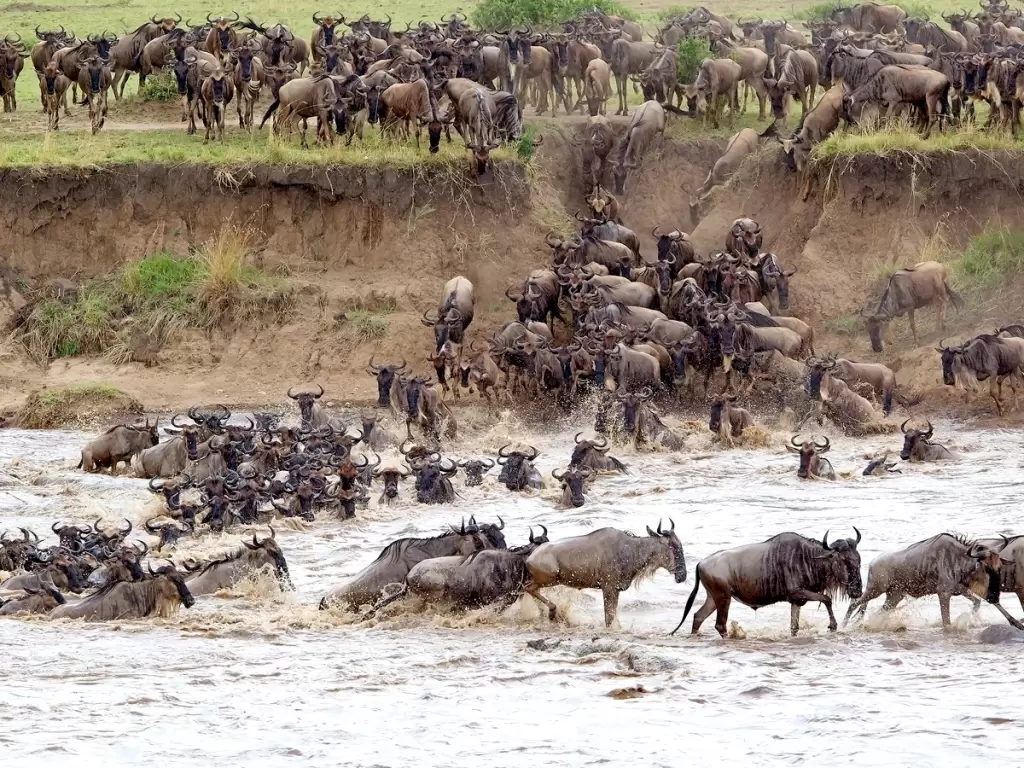
Adjacent to the Serengeti, Kenya’s Maasai Mara National Reserve is renowned for its role in the Great Migration. Beyond this, the reserve offers year-round wildlife viewing, with large populations of lions, cheetahs, and elephants. The Mara River crossings, where herds face crocodile-infested waters, are particularly dramatic. No wonder why this wildlife reserve is one of the best places to visit in Kenya with family.
Cultural interactions with the Maasai people add depth to the safari experience. The compactness of this African safari park makes it easier to spot wildlife within a shorter time frame. The open savannahs and rolling hills with the Mara River make it one of the unique wildlife parks to witness in the coming year.
Quick Facts: The Maasai Mara boasts one of the highest densities of lions in the world, with an estimated population of over 600 individuals. Named after the Maasai people, the reserve is integral to their culture and traditions, offering visitors a chance to engage with and learn from this iconic community.
When to Go: The best time to visit the Masai Mara in Kenya is from June to October, with July to October offering the best chance of seeing the Great Migration and dramatic river crossings. January to March is excellent for big-cat sightings, while November to May brings greener landscapes, prolific birdlife and a more intimate safari atmosphere.
Pro Tips: Invest in a professional camera or hire a safari photographer to capture the beauty of the wildlife and landscapes. Engage with the Maasai guides to learn about local traditions and folklore.
Start your luxury African safari dream today!
4. Okavango Delta, Botswana: Africa’s Safari Written in Water
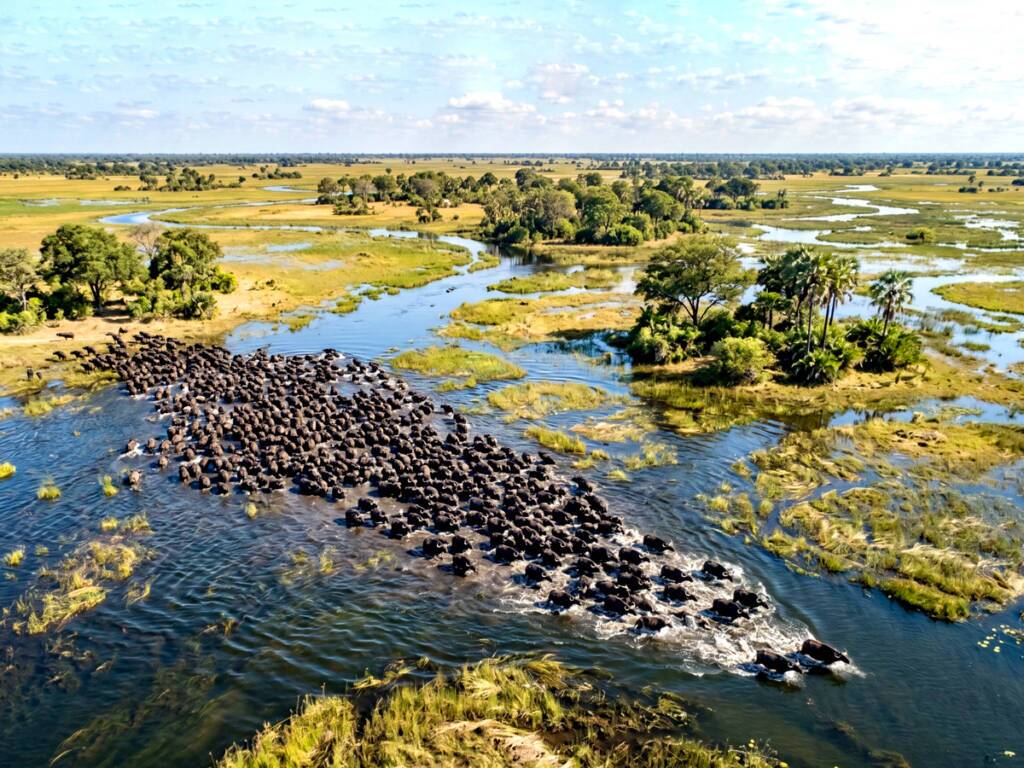
The Okavango Delta, one of Botswana’s top tourist attractions is a vast wetland that unfurls across the sands of the Kalahari. During Botswana’s dry season, floodwaters arrive from Angola and spread across the Kalahari, transforming channels, floodplains and islands into a wildlife-rich wetland. Elephants wade through the shallows, hippos surface beside reed beds, red lechwe bound through water, and lions, leopards, cheetahs and African wild dogs patrol the drier islands. A luxury Botswana safari here can move effortlessly between game drives, boats, and a silent mokoro gliding almost at water level.
Quick Facts: The UNESCO World Heritage property covers more than 2 million hectares, with permanent swamps of roughly 2,317 square miles (4). Around 40% of the place lies within Moremi Game Reserve, one of the best national parks in Botswana. In 2025, the Delta was also voted Best Destination for a Sustainable Safari at the TRAVELBOOK Awards in Berlin (5).
When to Go: The best time to visit the Okavango Delta for classic water-and-wildlife safari experiences is generally June to October, when the annual flood reaches Botswana during the dry season, and animals concentrate around available water. For birdlife and lush summer scenery, November to April brings migratory species and the greener rainy season.
Pro Tips: Do not experience the Okavango only from a safari vehicle. Spend time on the water in a traditional mokoro, where elephants, reed frogs, kingfishers and antelope can be encountered from an entirely different perspective. For a more absorbing stay, consider a fly-in camp deeper within the Delta, where access is limited, and the landscape can feel remarkably private.
5. Ngorongoro Conservation Area, Tanzania: Wildlife in a Natural Amphitheatre
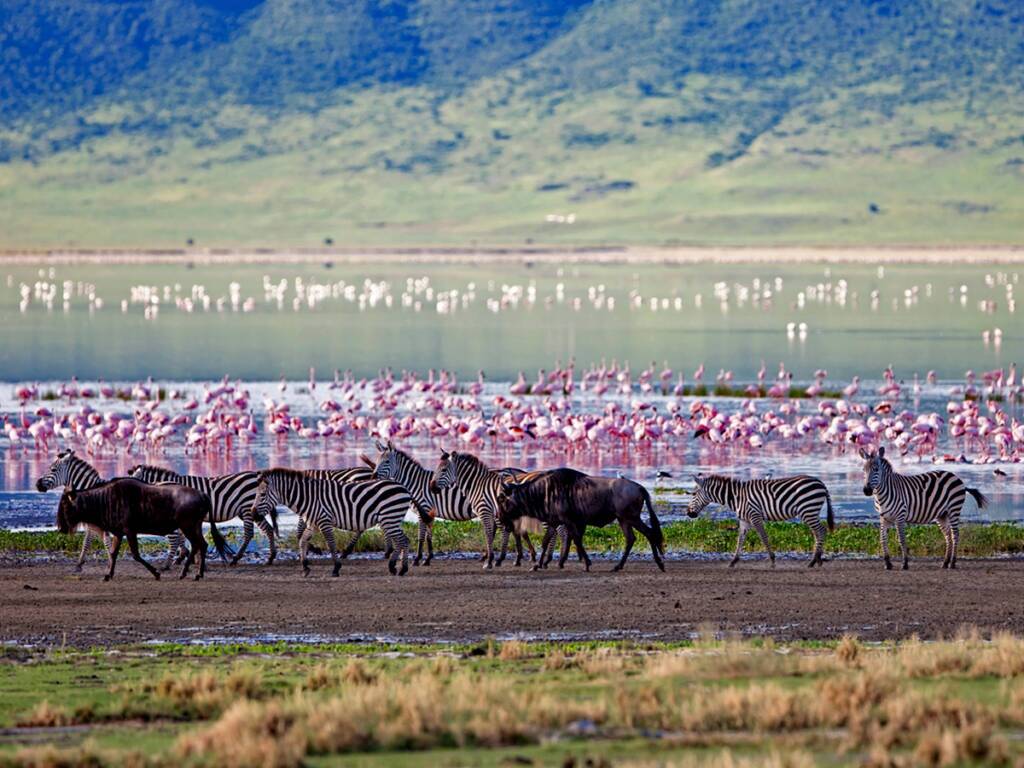
Few safari settings concentrate wildlife as much as the Ngorongoro Conservation Area, one of the best national parks in Africa for spotting the Big Five. Across the crater floor, lions patrol the grasslands, buffalo and zebra move in herds, hippos gather in the pools, and flamingos brighten the shallows.
The crater supports an estimated 26,000 to 28,000 wild animals, including cheetahs, wildebeest, impala and the endangered black rhino, while the wider conservation area is home to the Big Five. Add ostriches, kori bustards, hornbills, baboons, chameleons and more, and the experience feels remarkably alive in every direction.
Quick Facts: Ngorongoro is not technically a national park in Africa, but a conservation area covering around 3,125 square miles. A UNESCO World Heritage Site, its main attraction is the Ngorongoro Crater, the world’s largest unbroken caldera, formed around 2.5 million year ago when a massive volcano collapsed inward (6). The crater floor spans about 260 square kilometers, with walls rising almost 610 meters, making it a unique African wildlife open-air theatre.
When to Go: The best time to visit Ngorongoro is generally June to October for drier conditions and easier wildlife viewing. October to November and March to May bring greener landscapes, migratory birdlife, and rewarding wildlife encounters, making Ngorongoro a strong year-round safari destination.
Pro Tips: Descend into the crater early, when temperatures are cooler, and wildlife activity can be particularly rewarding. Try to combine your crater visit with Olduvai Gorge, the highlands, or the wider conservation area to understand why this landscape is as important to human history as it is to wildlife.
6. Chobe National Park, Botswana : The Elephant Capital of the World
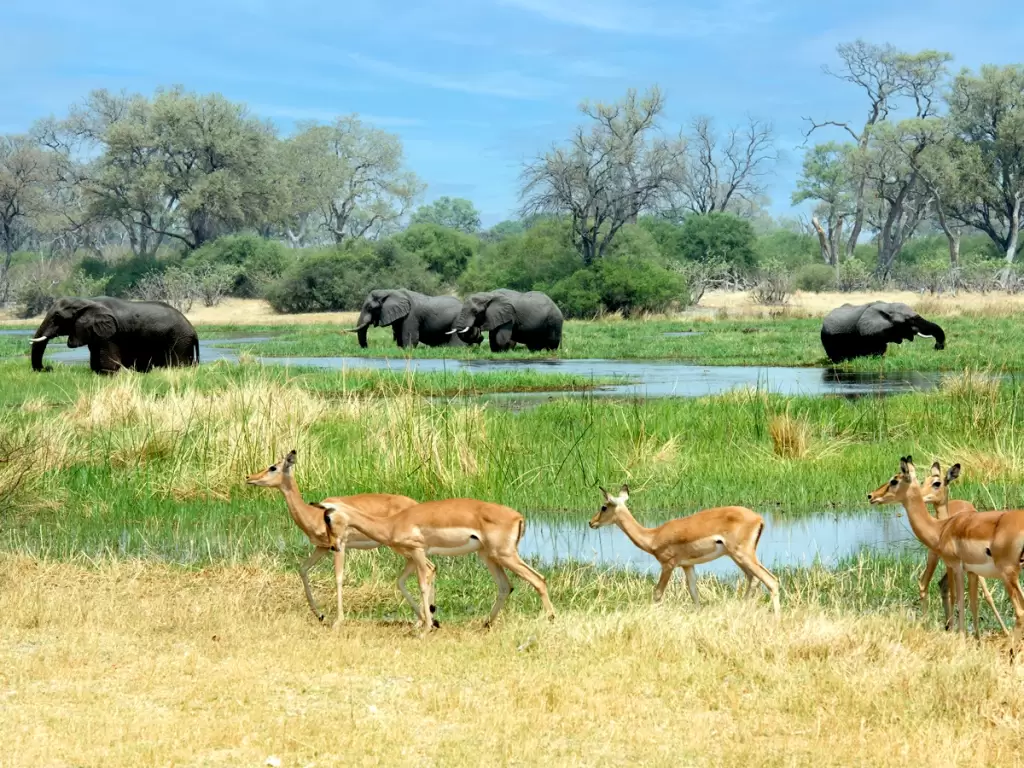
One of Botswana’s best national parks, Chobe National Park is famed for its massive elephant herds, estimated at over 120,000 individuals. The Chobe Riverfront offers unique boat safaris, allowing close-up views of elephants, hippos, and crocodiles. The park’s diverse habitats also support lions, leopards, and a rich birdlife, making it a must-visit for wildlife enthusiasts.
Quick Facts: The Chobe National Park, established in 1968 as Botswana’s first national park, is famously known as “The Land of the Giants.” It encompasses four distinct ecosystems: the Serondela area (Chobe Riverfront), the Savuti Marsh, the Linyanti Marsh, and the dry hinterland, each offering unique wildlife experiences.
When to Go: The best time to visit Chobe National Park, Botswana is from April to October, with August to October especially rewarding along the Chobe River as elephants, buffalo and other wildlife gather near the water. November to March brings greener landscapes, migratory birds and excellent wildlife viewing around Savuti.
Pro Tips: A boat safari along the Chobe River offers close encounters with elephants and hippos. Don’t miss the chance to visit the nearby Victoria Falls after your safari.
7. Bwindi Impenetrable National Park, Uganda : The Gorilla Trekking Paradise
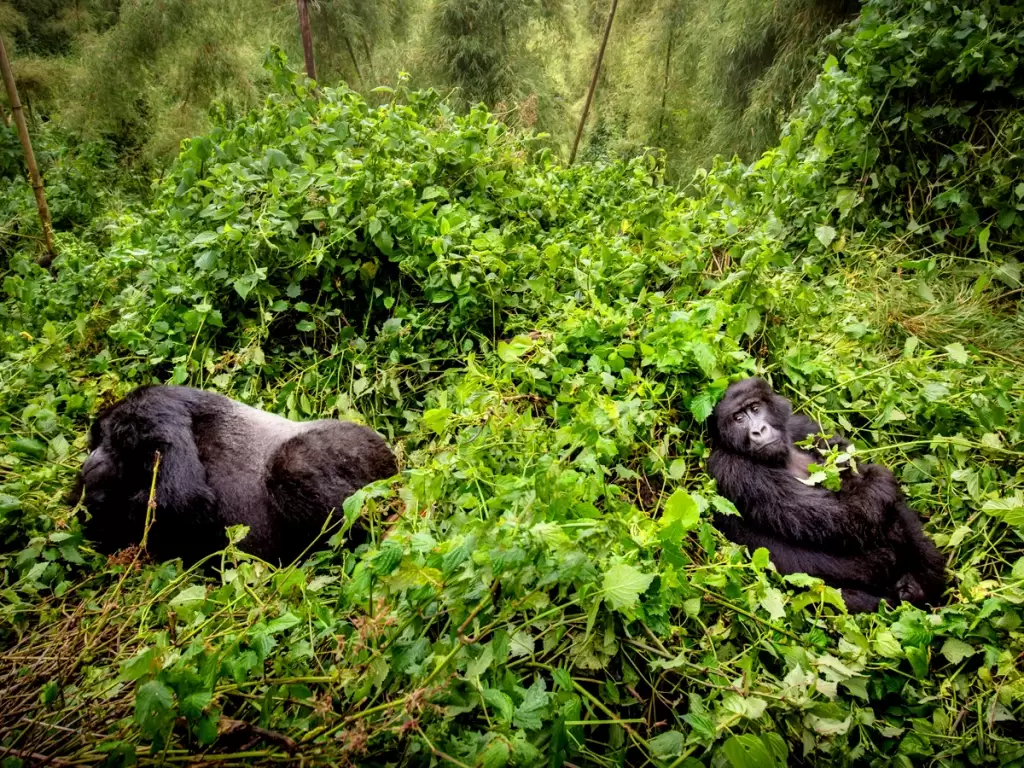
Home to nearly half of the world’s mountain gorilla population, Bwindi Impenetrable National Park in Uganda offers an intimate trekking experience through dense forests. Encountering these gentle giants in their natural habitat is both humbling and exhilarating. The park also supports over 350 bird species, making it a haven for birdwatchers.
Quick Facts: Recognized for its ecological significance, Bwindi was designated a UNESCO World Heritage Site in 1994 (7). The park spans approximately 128 square miles and is situated along the border with the Democratic Republic of the Congo. This African safari park exemplifies Uganda’s untouched charm. It is less commercialized and uncrowded and offers authentic experiences at a more affordable cost compared to its popular counterparts.
When to Go: The best time to visit Bwindi Impenetrable National Park, Uganda is from June to August and December to February, when drier conditions generally make gorilla trekking trails easier to navigate. Trekking is available year-round, while March to May and October to November bring wetter forest conditions and a quieter atmosphere.
Pro Tips: Ensure a fully charged camera to capture every moment of the unique gorilla encounter. Hire a porter to carry your backpack and support the local community. Embrace the experience. Trekking through Bwindi’s pristine forest is as much about the journey as the destination.
Let us craft the ultimate luxury African safari for you.
8. Volcanoes National Park, Rwanda : The Land of a Thousand Hills
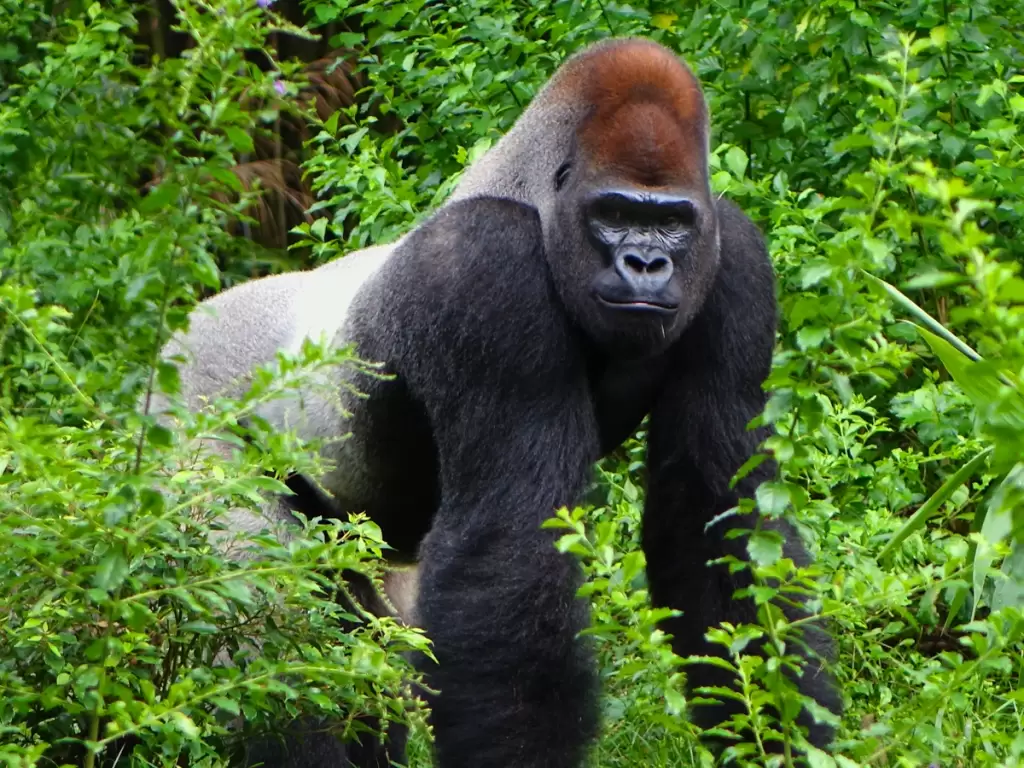
The Volcanoes National Park in Rwanda is famed for mountain gorilla trekking opportunities. The lush, mountainous terrain offers a challenging yet rewarding experience, culminating in close encounters with gorilla families. Conservation efforts in Africa have led to a steady increase in gorilla populations, making it a success story in wildlife preservation.
Quick Facts: Rwanda’s Volcanoes National Park has approximately one-third of the world’s remaining mountain gorillas residing within its boundaries. The park was the base for primatologist Dian Fossey’s groundbreaking research on mountain gorillas, significantly contributing to their conservation.
When to Go: The best time to visit Volcanoes National Park in Rwanda is from June to September, when drier conditions make gorilla trekking and hiking more comfortable. December to February also offers a shorter dry-season window. Gorilla trekking operates year-round, with sightings generally excellent even outside these drier months.
Pro Tips: Gorilla trekking permits sell out quickly, so book at least six months in advance. Combine your gorilla trek with a cultural visit to the Iby’Iwacu cultural village to learn about Rwandan heritage and traditions. Visit the Dian Fossey Research Center to explore her legacy in gorilla conservation.
9. Etosha National Park, Namibia : A Salt Pan Wonderland
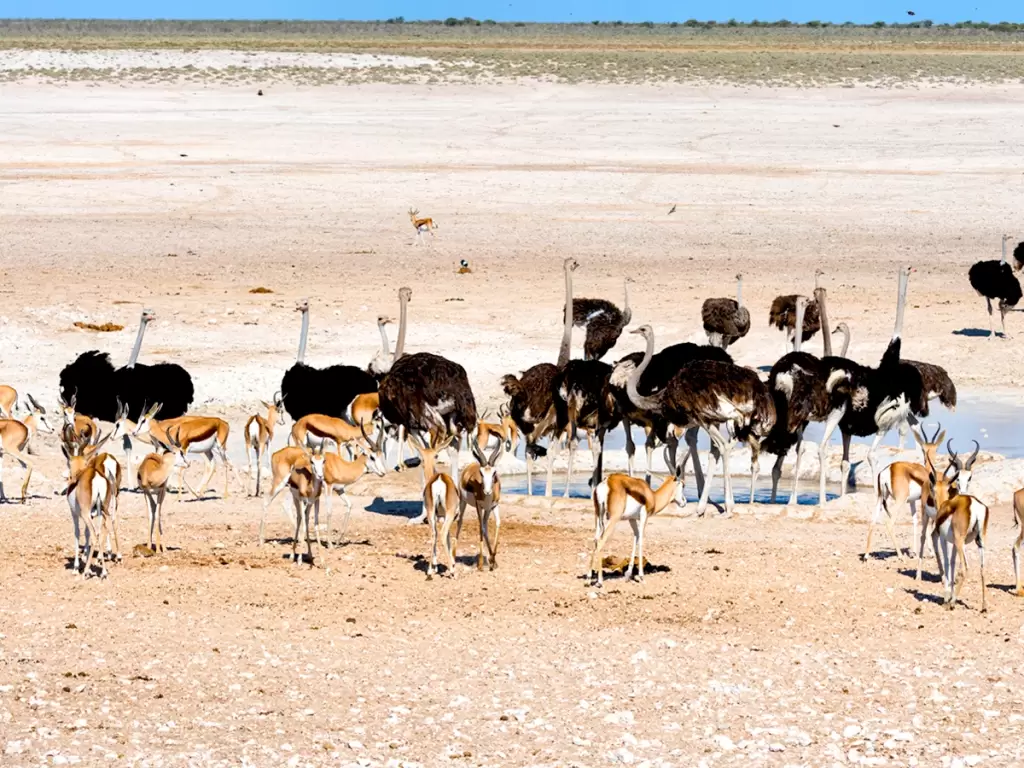
Dominated by the vast Etosha salt pan, Namibia’s Etosha National Park transforms into a wildlife haven during the dry season as animals congregate around waterholes. Visitors can expect sightings of endangered black rhinos, lions, and the unique oryx. The park’s well-established road network and rest camps make it accessible for self-drive adventures.
Quick Facts: “Etosha” originates from the Ndonga language, meaning “Great White Place.” The park’s defining feature, its massive salt pan, is so vast that it is visible from space. Etosha is home to over 340 bird species, including migratory flamingos that breed in the pan, creating a spectacular sight.
When to Go: The best time to visit Etosha National Park, Namibia is from May to October, when the dry season concentrates wildlife around its famous waterholes and the open landscape improves visibility. November to April transforms Etosha into a greener, more dramatic landscape, with migratory birds and, after good rains, flamingos gathering on the pan.
Pro Tips: Stay in a lodge near a waterhole for excellent wildlife viewing from the comfort of your accommodation. The park is great for self-drive adventures, so bring a detailed map or GPS.
10. Hwange National Park, Zimbabwe : A Predator’s Playground
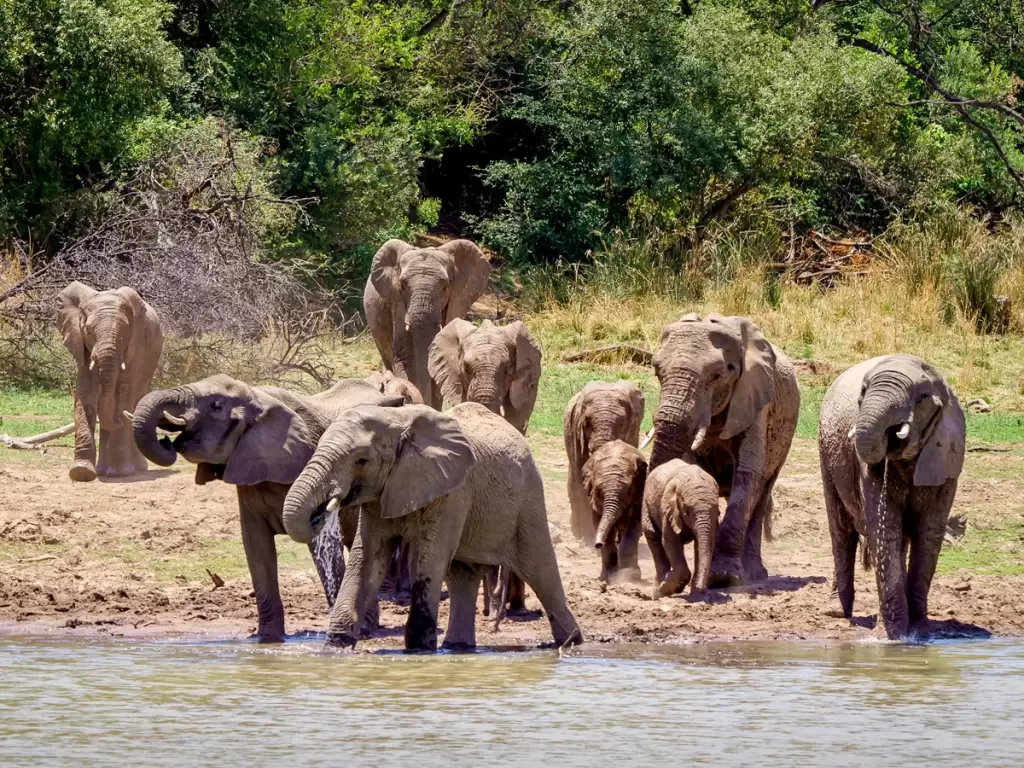
As Zimbabwe’s top travel attraction and largest game reserve, the Hwange National Park boasts a vast array of wildlife, including over 100 mammal and 400 bird species. The park is particularly noted for its large elephant herds and predator sightings, including lions and wild dogs. The diverse landscapes, from woodlands to savannahs, provide varied safari experiences.
Quick Facts: Hwange hosts one of the largest elephant populations in Africa, with estimates ranging between 45,000 and 50,000 individuals, making it a prime location for elephant sightings. The park maintains numerous artificial waterholes to support wildlife during the dry season, ensuring a year-round water supply for its inhabitants.
When to Go: The best time to visit Hwange National Park in Zimbabwe is from July to October, when the dry season draws elephants, buffalo, and predators towards its network of pumped waterholes. November to March brings lush scenery, newborn animals, and excellent birding as migrant species return, offering a very different but rewarding safari experience.
Pro Tips: Remember to pack a good pair of binoculars for birdwatching. Bring a journal to document your sightings and experiences. Self-drive routes are perfect for independent travelers.
Beyond the Top 10 : South Luangwa National Park, Zambia
South Luangwa National Park deserves a special mention for its exceptional leopard sightings, rich predator populations, and pioneering walking safari heritage. Set along the Luangwa River, it offers a more absorbing, low-density safari experience and remains one of Zambia’s most celebrated wildlife destinations.
Final Reflection : Step into Africa’s Wild Heart in 2027-28 with Us
Africa’s national parks offer experiences beyond a typical vacation; they are life-changing journeys into the heart of nature. Picture yourself witnessing the Great Migration in the Serengeti, where millions of wildebeest and zebras cross vast plains, encountering a pride of lions roaming freely across the golden plains of the Maasai Mara, spotting the elusive leopard in the lush ecosystems of the Kruger National Park, or encountering majestic mountain gorillas with their babies at the Bwindi Impenetrable National Park.
For those seeking rare experiences, imagine marveling at the stark beauty of the salt pans and waterholes of Etosha National Park, trekking through the volcanic slopes of Volcanoes National Park, or watching elephants gather around a waterhole at Hwange National Park, a true spectacle of nature’s grandeur.
Why Choose Us for Your African Adventure?
With our deep passion for Africa, insider knowledge, and commitment to delivering seamless luxury travel experiences, Africa Travel Designers takes care of every detail so you can focus on making memories. Be it your secluded, romantic honeymoon safari, or a luxury African safari for family, we thoughtfully curate your holidays, so a part of Africa remains with you forever. From hand-picked lodges to tailored African safari adventures, we design sustainable journeys that are as unique as you.
Reach out to our experts at Africa Travel Designers, and let’s make your 2026 / 2027 safari the journey of a lifetime.
References:
- World Travel Awards. (2026). Africa’s Leading National Park 2026. https://www.worldtravelawards.com/award-africas-leading-national-park-2026
- World Travel Awards. (2026). Africa’s Leading Big 5 National Park 2026. https://www.worldtravelawards.com/award-africas-leading-big-5-national-park-2026
- UNESCO World Heritage Convention (n.d.). Serengeti National Park. [The List]. https://whc.unesco.org/en/list/156
- UNESCO World Heritage Convention (n.d.). Okavango Delta. [The List]. https://whc.unesco.org/en/list/1432/
- TRAVELBOOK. (2025). TRAVELBOOK Award 2025: Here are the winners. https://www.travelbook.de/travelbook-award-2025
- UNESCO World Heritage Convention (n.d.). Ngorongoro Conservation Area. [The List]. https://whc.unesco.org/en/list/39/
- UNESCO World Heritage Convention (n.d.). Bwindi Impenetrable National Park. [The List]. https://whc.unesco.org/en/list/682/
